Supper clubs are an exercise in community healing
Studies find that social eating encourages civic involvement, because people who engage in communal eating are happier and have stronger support networks.

Studies compiled by the American Survey Center shows that while Americans often think of restaurants as a community gathering space, only 46% feel they can actually gather there.
This means that while cities like mine Philadelphia have growing restaurant scenes, people don’t quite feel comfortable enough to become regulars or sit and stay awhile. One reason could be that tasting menus have become more popular. They’re generally more expensive than a la carte menus, and some don’t allow seating for one if there’s no bar area. So hanging out and attempting to meet people may not even be an option at your favorite place to eat.
Living in an era of hyper capitalism, means 77% of Americans experience burnout that discourages them from participating in community events or volunteering at all. But — you’ve got to eat, so restaurants have a chance to bridge this gap.
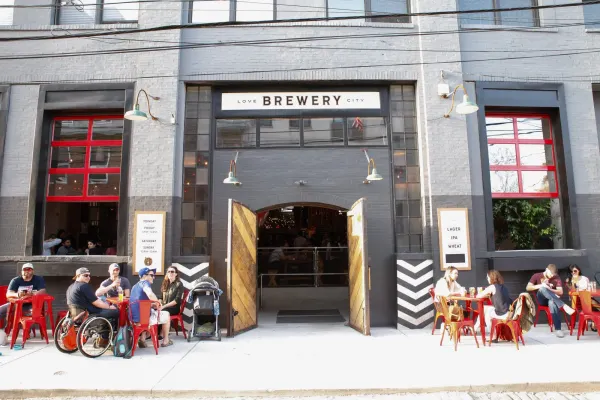
Enter: Supper clubs. A supper club differs from a restaurant in that the venue might be pop-up style, or more casual than other high-quality dining spaces, but the food is just as good. The casual atmosphere encourages conversation, from group seating at dinner time to mingling during happy hours. The chef may do a demonstration, cook in the open, or sit with you at the table. You can engage with them, ask questions and understand the heritage and background of the dishes. Supper clubs often have mixed seating, which means you must speak to the people around you, at least to reach plates and drinks. And the food you’re all eating provides a great starting point for conversation. BYOB supper clubs encourage discussion while sharing bottles.
The community aspect of the supper club leans on a concept called behavioral contagion, which means that we tend to act like the people around us. So if you’re at a supper club and everyone is sharing plates and talking, you’re more likely to talk and share plates as well. There’s also serotonin and dopamine release when we eat delicious food, which puts us in a better mood to engage and make connections. And then there’s the validation of sharing a meal with other people, which can release endorphins, too.
These all create positive feelings that can extend beyond the supper club, to reaching out to other friends, and it can even encourage us to be more involved with our neighbors and our community. In fact, a study from the University of Oxford found that social eating encourages civic involvement, because people who engage in communal eating are happier and have stronger support networks.
What You Can Do Today
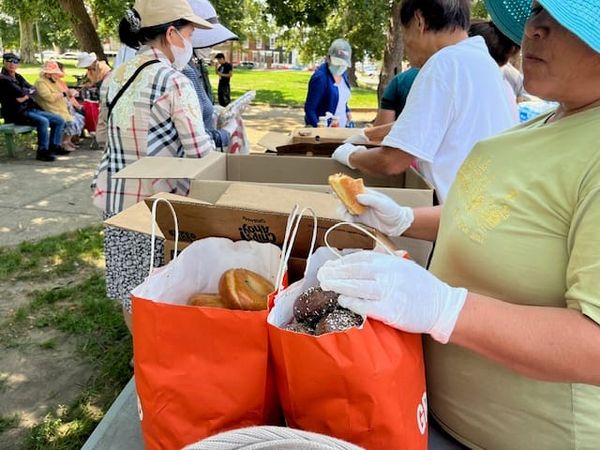
Not everyone feels prepared to host a supper club, but have you considered having a few friends over for a potluck dinner?
Unsure where to start? Create an invite with an RSVP and see who signs up. That ties you to a date and time and gives lots of motivation to get things going. But don't forget to keep it low pressure and get your community involved.
- Don't wait for the perfect location. So much of community building is just getting there, so a venue that is at a familiar location, like a friends home, or near transportation/parking is better than a beautiful setup.
- There are certainly sciences around the setup and flow of a dinner party, but getting humans in the door is always more important. If your place is clean and has seating, people will be comfortable. Don't forget to ask about any allergies or pet situations first, though.
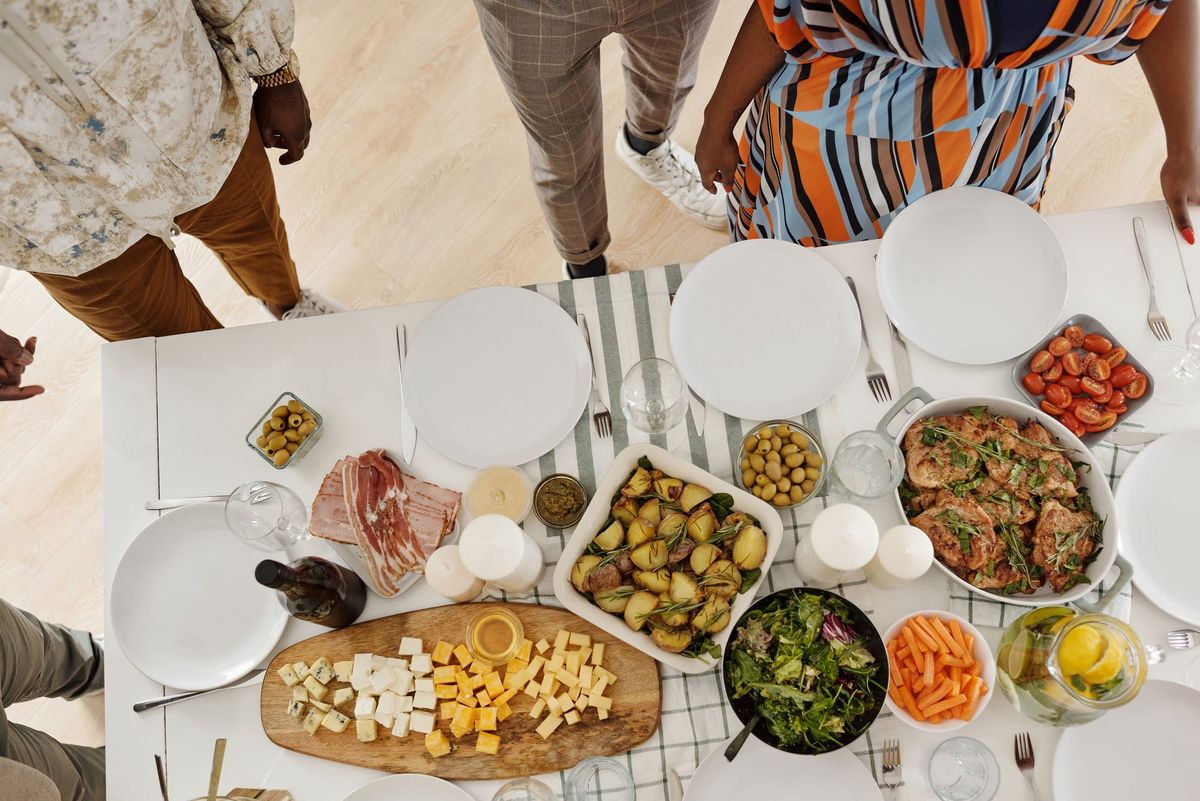
- A communal menu for a potluck can take the pressure off one person cooking and also open up conversation to ingredients and taste profiles. Consider giving everyone guidance on what to bring, and let them take it from there.
- Having non-alcohol beverages is integral, even if you have no sober friends. Folks may be driving, have an early night, have a temporary medical situation or any other reason why they do not want to drink that night. This simply opens up the choices.
- Having a conversation table with a puzzle, board game or other tactile activity can bring together people who may not know each other, with a problem-solving task. It creates something to do with hands, for people who might be a little shy, and bonds new friends.
- Name tags seem corny, but adding a question or prompt gives people an introduction to talk to each other. It can be as simple as "something you can talk about for hours" or "your favorite childhood piece of media/art."
- Prepare some containers for everyone to bring home a little food. Besides not wasting everyones hard work, it gives people a takeaway.