Is journalism "harm reduction"?
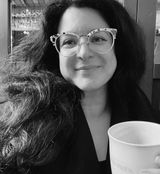
If you're new to The Platia, thank you so much. Let me take a moment to explain what The Platia is, and why I believe happiness and civic success is tied to information sharing.
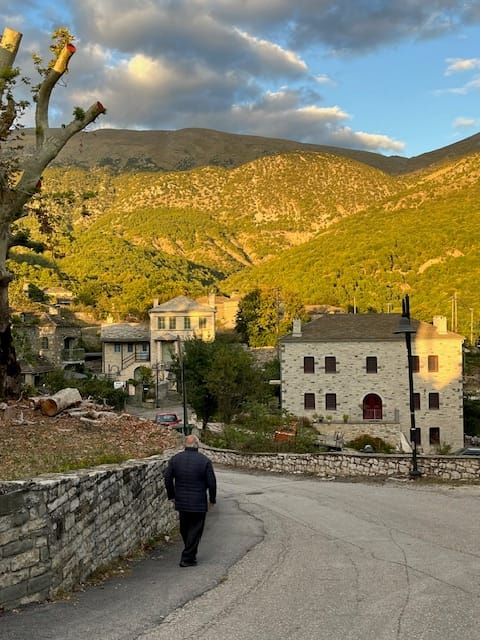
The Platia [ plat-e-uh] comes from the term for the village meeting space in the Greek mountains where citizens come together to cook, share concerns, and make community decisions. They make action over cups of coffee and enjoy their civic involvement. After years of travel and studying awe and happiness, I saw that we are sorely missing this in the US.
Harm reduction is defined as the practice of reducing the harm associated with drug use. It’s a practice that believes everyone deserves dignity, regardless of their circumstances. But, it also aims to provide resources to people who live in communities that have been impacted by drug policy and laws.
So, harm reduction includes learning how to use Narcan to assist a neighbor on the street, but it can also mean providing after-school resources in neighborhoods where drugs are likely to impact teens. It can mean making meals for community refrigerators, or understanding how open-air drug markets make it more difficult for nearby immigrant communities to be without grocery stores.
It also includes understanding how misinformation and stereotypes harm our neighbors.
The Platia investigates how acts of care and putting resources back into the community can create thriving neighborhoods when municipal resources are dwindling.
Why make a newsroom focused on harm reduction? Because drug use and homelessness, and enforcement, have an outsized impact on urban areas, cutting off educational and civic resources and creating decades-long harm in our neighborhoods.
How does this newsroom work? The Platia puts the power back in the hands of the community through free and low-cost trainings and discussions where you don’t need to be afraid to ask basic questions. You might be writing letters to incarcerated people while learning about the prison system, or crafting charm bracelets while learning deescalation techniques.
I also investigate the bigger concerns that keep the city in disparity, like the war on the poor, targeting encampments, and food inequality. That includes weekly newsletters of volunteer and mutal aid opportunities.
Other than operating costs for website and materials, all donations go to certified trainers and partnering mutual aid groups. I have a fiscal sponsorship through the Tiny News Collective, a group of micro newsrooms aiming to improve their communities, and receive grants through various organizations; none of which tell me what to do with that money.
I hope you'll join us at an event to understand how even small changes can impact your neighborhood. Thanks for reading this, and reach out with any questions.
Annemarie
Every donation to The Platia goes directly to food distributions, warming kits and Narcan classes. Leave a note if there's a special issue you want your donation to go to.
Understanding food systems
How to find and help mutual aid groups that provide food