Why we need to continue following the story of Camp Chloe
There’s no smoking gun in these files that points to any one person or group doing anything blatantly vile or wrong. Instead, we can see dysfunction over how to provide long-term care for our most vulnerable.
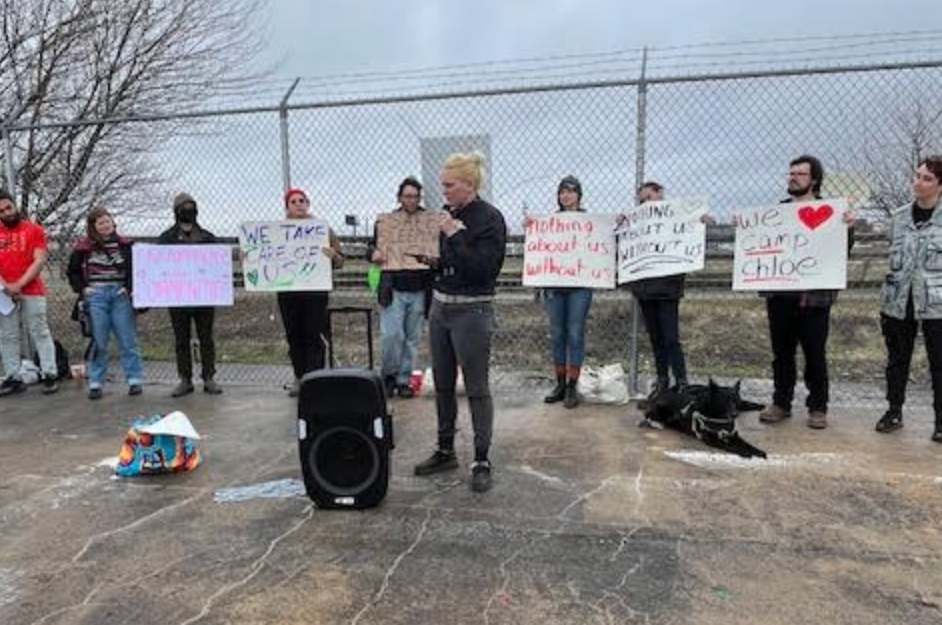
A few months ago I submitted a Right-To-Know request to the city of Philadelphia for information related to the removal of an encampment on the Delaware River Waterfront at Washington Avenue. The group living there, who call themselves Camp Chloe, held a press conference earlier in the year to explain that they didn’t feel proper services were being offered during cleanouts of the area. During the press conference, which was little more than a dozen residents with paper signs, a group of suited men stood around looking upset. I know enough that if a small group of powerless citizens attracts people with power who look upset, I should keep my eyes open. So, I’ve been following along with the movement of this encampment because it represents the shift in equality in a city that has the spotlight for the 250th anniversary of this country.
If you haven’t read my initial article on the press conference, I’d encourage you to do that, and then come back here, because it lays the groundwork for some information I’m going to dissect below.
But first, let’s talk about why I filed the RTK.
A Right To Know request means anyone can ask the government for information related to public matters, like police body cam footage, city representative emails or licenses and health department reports on local businesses. I requested communications related to the encampment removal to try to understand why residents felt no services were offered to them.
You'll note that some of these emails were filed before the current encampment was instituted. That means the president for how to deal with folks in this spot was being formed long before they arrived. With that in mind, it should be even easier to understand their needs and move them to a spot that fits those needs. But, these emails do not show that. Let's explore why.
A few weeks ago I heard back from the city’s records team, who granted my request and sent me three folders of documents related to the encampment. The files contained lots of emails with city representatives, as well as the private businesses that own the areas along the waterfront.
There’s no smoking gun in these files that points to any one person or group doing anything blatantly vile or wrong. Instead, we can see dysfunction over how to provide long-term care for our most vulnerable.
What we can see from the emails and discussions is that most of the concern happened on land managed by the Delaware River Waterfront Co, a non-profit steward of the green space, with a board of directors composed of folks from banks, real estate agencies and Visit Philly tourism. The parcels of land owned by Bart Blatstein and K4 Philadelphia LLC are impacted (and have their own strife, being sold, undeveloped and sold again) but the land directly on the waterfront is most contested, and that is where the encampment took root. K4 Philadelphia LLC, a land management and development organization that was created for the sole purpose of buying and building 1341 South Christopher Columbus Avenue, is part of many conversations about the removal of people on the land. You can see some screenshots below from real estate developers with early plans for the area, and the green space along the water.
But, none of that division of land really matters in the long term, because one of these private organizations was going to evict the encampment at some point anyway. That's why social services exists - to make sure this is done in a humane way that places people with the proper care. To take care of that land (not the people), Eastern LLC, a landscaping and maintenance company, was on the grounds with the encampment weekly.
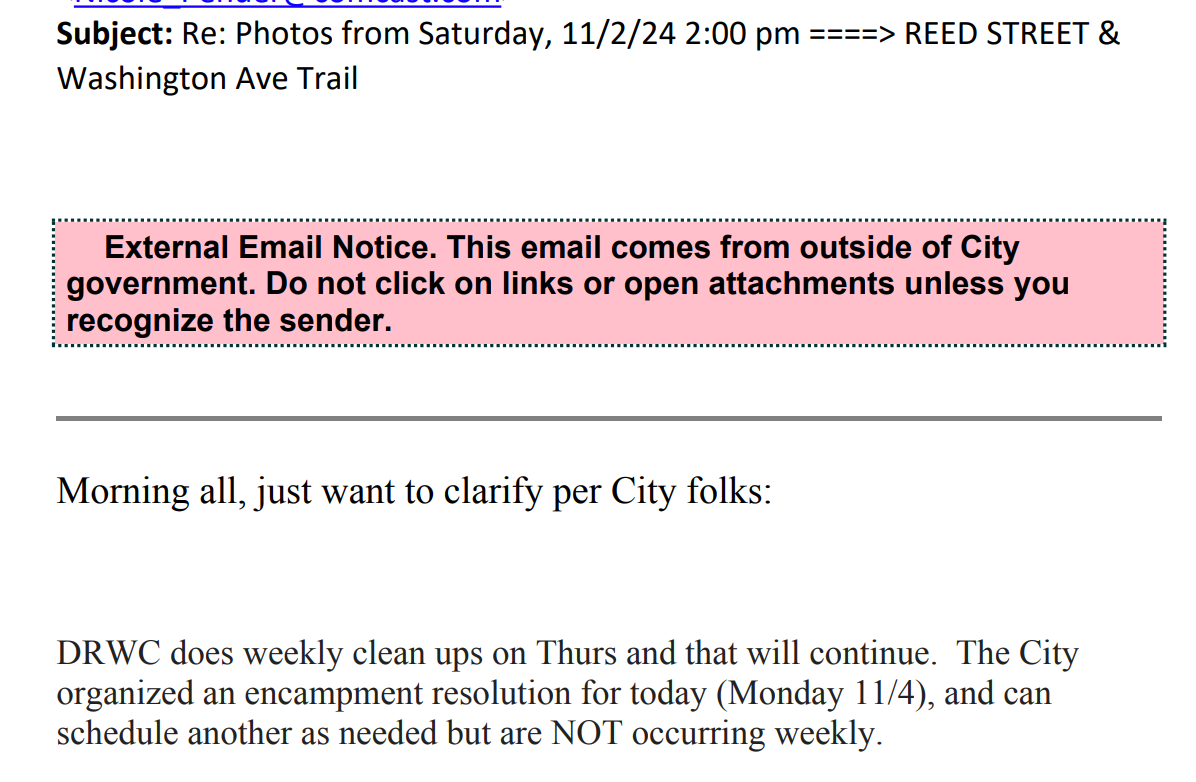
Though the city says social services workers were present regularly (I called to confirm this), residents of Camp Chloe maintain that they were not and, in emails as early as March 2025 we can see residents saying they will not leave until they’ve spoken with an OHS representative. Through emails, it looks like much of communication with residents of Camp Chloe was with Eastern Landscaping, through signs, asking people to leave and putting up a fence around the space over and over again.
We have to question why residents felt they were not presented with the staff they felt they needed, even if the city maintains that staff was present.
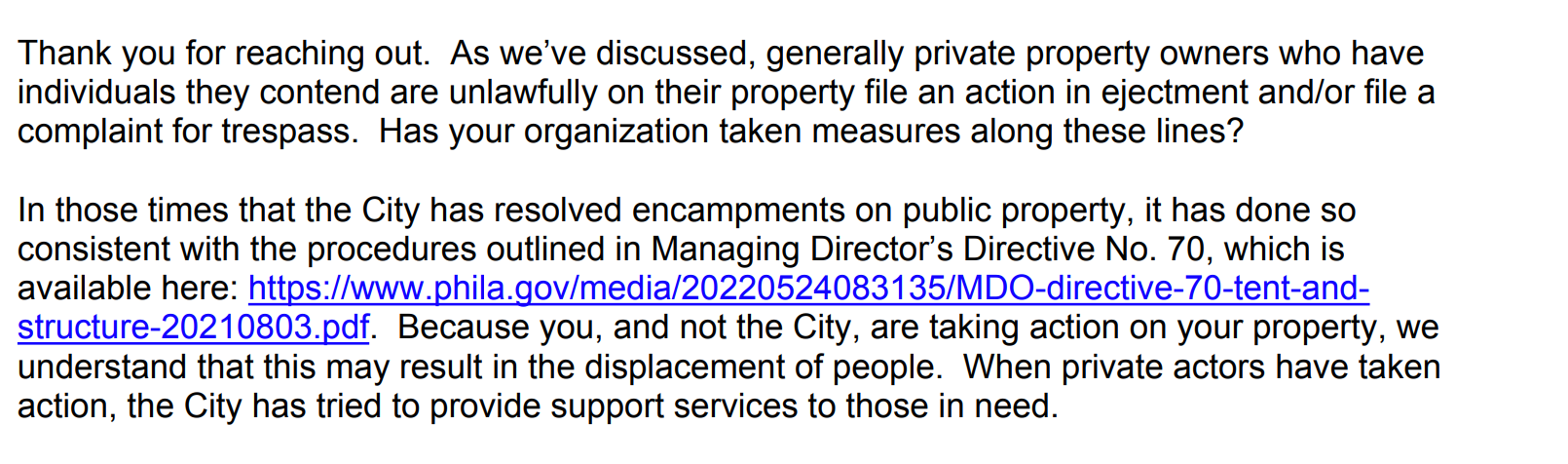
Through communications, the city does insist that the private organizations wait to schedule a clearing with social services groups, and requests an ejectment before any further action.
And that’s why I say again, no smoking gun. But the amount of questions leaves me concerned that this city doesn't have a longterm plan of care.
Why do I think this is important?
Most simply put: we do not have solid plans of how to take care of our most vulnerable citizens. Prices are rising, social services are slipping, and more people fall into that category every day.
The city has done an incredible job building an economy out of visitors, with an inclusion in the Michelin guide (which is not free), events and conferences, and even shooting down a hotel and airbnb tax increase.
That tax increase was earmarked to fund 1,000 shelter beds.
Even with new facilities opening around the city, including some that accomodate pets, unhoused residents have turned down site tours and are hesitant to enter shelters because of a breakdown of trust, and inhospitable, unhealthy environments in shelters and intake centers, including bedbugs and sleeping on chairs.
Where are the residents of Camp Chloe now?
An advocate tells me that some have accepted offers for temporary housing, and some are still on the street. With the PIT count of unhoused residents rising, those 1,000 shelter beds missing and free resources disappearing, this encampment fight is important because it shows that we haven’t quite figured out how to translate tourism dollars into services for our own residents.
What can you do?
Get involved in mutual aid. Unhoused people will often trust people they see on the streets over city services. Advocates know where to meet them to provide health products and food and general care.
Many of these residents lost all of their belongings in the camp sweep, and can use basic donations to get through the day.
Keep talking to your local representatives about the rising cost of living in our city. Get educated on the numbers and bring data to your conversations. I will be following this further, too, because we haven't finished the conversation yet.
Thank you for reading. Your support helps me stay the course as an independent journalist after years in mainstream newsrooms. If you found this helpful, please forward it to a friend, or come out to the Friday free food picnics I host with other mutual aid groups. All event attendees receive a community care packet to help them care for their own neighbors.