The '27 budget is going to complicate homeless services
Leaky roofs and bedbugs push people to sleep on the street instead of staying in a Philadelphia shelter — and that's only if a bed is even available. It could soon get harder to find any space at all.
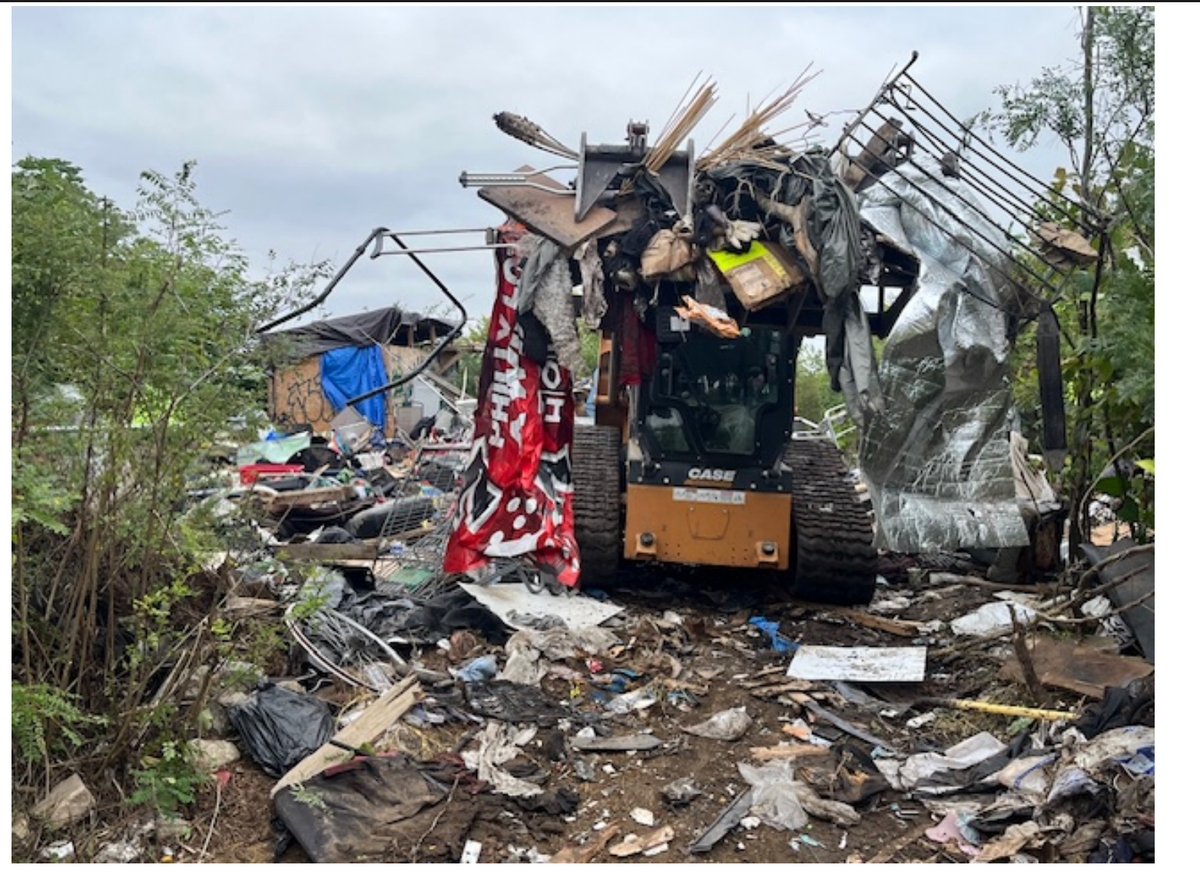
As I wrote a few weeks ago, leaky roofs and bedbugs push people to sleep on the street instead of staying in a Philadelphia shelter — and that's only if a bed is even available. It could soon get harder to find any space at all.
Earlier this year, Mayor Cherelle Parker unveiled a budget called the One Philly Plan that included tax increases aimed at directing visitor spending toward social services for Philadelphians. Those proposals included a $1-per-ride tax on rideshares like Uber and Lyft, and a hotel tax increase — originally proposed at 2% and later revised down to a 0.6% hotel tax increase paired with a 6% surcharge on short-term rentals like Airbnb – one of the highest short-term rental tax rates in the country. The hotel tax revenue would fund 1,000 additional shelter beds across the city.
Last week, her $7.1 billion budget was approved by Philadelphia City Council, without those tax increases. That means the roughly $20 million a year intended for public safety and homelessness services will now have to come from existing revenue rather than new taxes. The rideshare tax revenue that would have benefited schools is being found elsewhere, but no alternative source has been announced for the homelessness funding.
When there are no available beds or safe shelter options — including facilities that keep families together or allow children and pets — unhoused people remain on the street. Increasingly, the communities that unhoused people form to share resources and stay safer are being broken up by city sweeps and displacement. That scatters people to other parts of the city, further from organizations like Prevention Point and Food Not Bombs that provide harm reduction, food, and safety. The 2025 Point-in-Time count reflects this pattern: it shows a decline in the unhoused population in Kensington alongside an increase in Market East, suggesting people were displaced southward into Center City, closer to Old City, Society Hill, Queen Village and other areas that are not prepared for that population with limited social service resources.
Pushing people who depend on public health resources away from those resources — and into neighborhoods where residents may not know how to respond to public health emergencies — creates a dangerous situation. It also makes it significantly harder to connect people with services and help them toward a better quality of life.
What can you do?
Donate to organizations that support unhoused people and those in recovery. More funding helps them expand outreach and get people off the street. Consider Sunshine House or Prevention Point.
Learn how to use Narcan. The Platia offers low-cost training every other month in Old City. We also offer free Narcan, sharps containers, and other public health items free of charge. Having Narcan on hand is one of the most direct ways to give someone another chance.
Contact your City Council member and let them know you want the budget to prioritize organizations working with unhoused Philadelphians. Without new revenue coming in, advocates will have to fight hard to make sure existing funds address the shelter shortage.