Philly's shelter system is broken. Here are some numbers to help you understand it.
And how to look for the helpers.

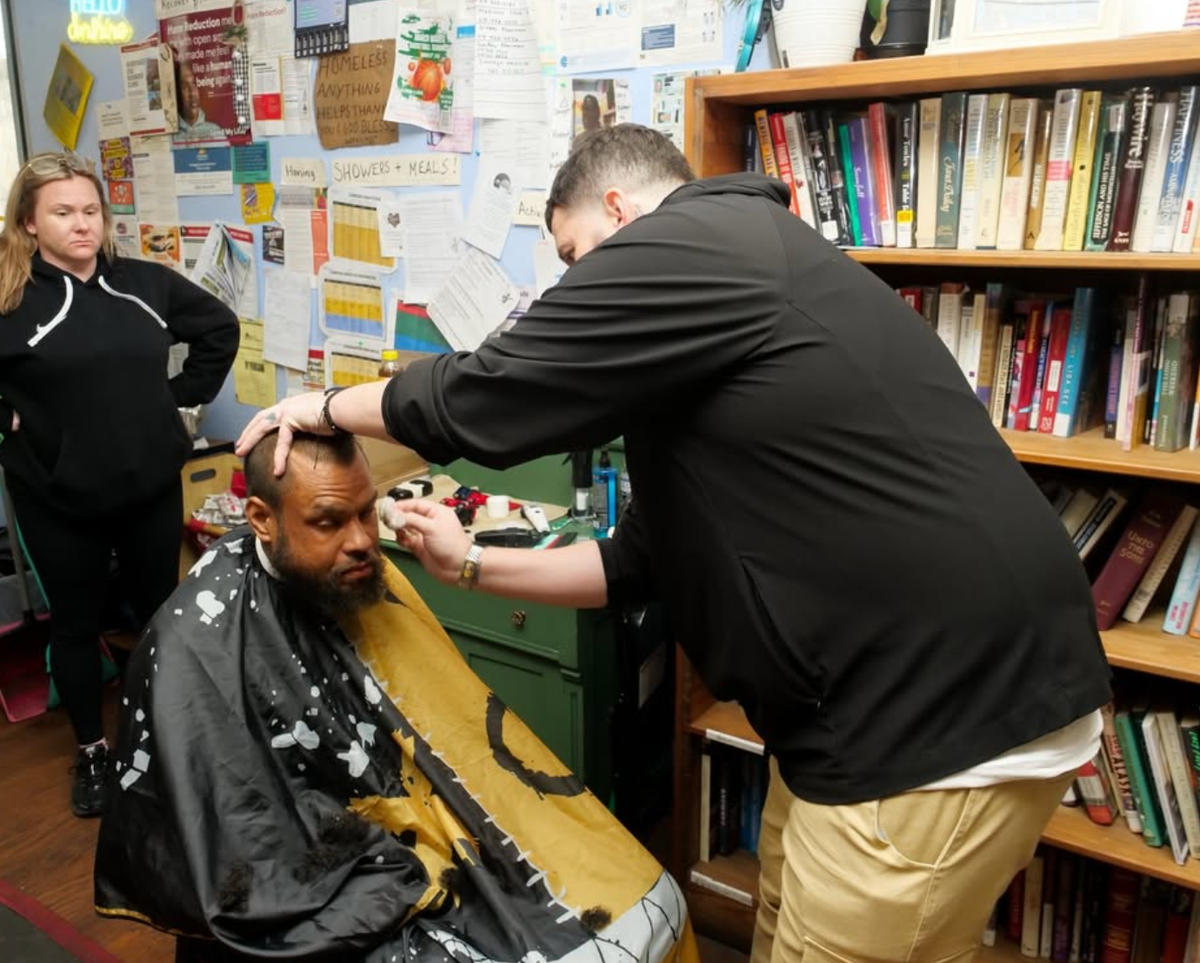
And how to look for the helpers.
During volunteer sessions at food distribution sites, a question that new volunteers frequently ask me is why people choose to live on the street when there’s a shelter system set up for them. After all, the city has made significant investments to aid the homelessness crisis in Philadelphia.
If you're unfamiliar with homelessness, it can be baffling that there are 5,000 individuals counted as “chronically homeless” by the city (via the January 2025 PIT count), up 6% over 2024. About 1,000 of those individuals chose to sleep on the streets rather than go to a shelter – up 21% from 2024. It’s the fourth year in a row that the homeless population has increased. But, let's try to understand these numbers better.
Several of the most prominent shelters in Philly (like House of Passage and Center for Hope) are city-funded. These are managed by a vendor called Gaudenzia. Guadenzia is going through some interesting changes right now: 2024 brought a change in leadership with a new CEO taking their position. But before that CEO was in their role, the previous one made over $500,000 in base salary, bonus, and exit or transitional fees in just nine months of the 2024 fiscal year. The city has made a partnership with Guadenzia for a brand-new facility in Holmesburg called the Riverview Wellness Village.
Where else is Mayor Parker putting money toward homelessness?
- The administration currently has budgeted about $40 million to the shelter system for the fiscal year up to June 2026.
- In the 2027 budget, Mayor Cherelle Parker plans to add 1,000 more shelter beds by implementing a 2% increase in tax on hotel stays– a five-year plan she says could bring in $22M in 2027, and overall upwards of $100M.
- Additionally, that budget includes a $200 million investment over five years for the Riverview Wellness Village, the city-owned recovery center operated by Guadenzia.
- Line items in the operating budget include extending hours at shelters, an encampment resolution team, additional food allowances for emergency shelters and six custodial staffers on the Kensington resolution team.
This sounds like a lot of money, but the shelters themselves tell a different story.
Advocates, like the Friends of Camp Chloe, who keep us updated on the encampment behind the Walmart pier, and Philly People of Hope, keep tabs on the situations inside shelters, from conversations directly with people impacted. For example, residents of Camp Chloe mentioned that shelters will split up families, or remove your beloved pets. And Philly People of Hope has documented conditions inside shelters for the last few months, highlighting leaky roofs, bolted windows, and even bed bugs.
Though there are no specific complaints listed in public health department portals, the photos posted by advocacy groups look real and are verified by other commenters staying at those shelters across Instagram, closed Facebook groups and message boards.
House of Passage, a 30-bed emergency shelter that offers addiction treatment services, has unverified comments on message boards that mention unresponsive staff, inedible food, sleeping in chairs and safety issues. In a section asking for advice for those looking to move into this shelter, one commenter said, “Don't do it unless it's your last and only resource.” With city money moving into the new Guadenzia resource center in Holmesburg, we can only hope some of those 1,000 new beds might be devoted to House of Passage.
In the meantime, there are things you can do to help your neighbors who may be considering sleeping in a shelter.
- Carry a “blessings bag,” a term that’s been popularized by religious outreach groups, but it’s simply a small bag with hygiene items. You can get bulk toothbrush kits with toothpaste, bars of soap, shampoo, condition and body wipes online, pack them in baggies and dispense them when you see someone in need.
- Carry a wound care kit. Similar to the “blessings bags” above, you can create wound care kits with bandaids, antiseptic wipes, sterile gauze pads, antibiotic ointment and a pack of Ibuprofen. This can help folks who cannot access immediate medical help to prevent infection.
- Cash is still king, but gift cards to convenience stores, and phone calling cards are helpful for feeding people and connecting them to families.
- Organize a food redistribution network where your neighbors compile unopened cans and snacks that you can pass on to pantries and street fridges. There's a food pantry or outreach site nearly every day in this city, and so many places to redistribute your unwanted, unopened food.