Why videos making light of addiction harm the entire community

When celebrities use our communities to make a point of making themselves look like saviors, our most vulnerable are who suffer. Case-in-point: I was flooded with texts this week about the Dr. Mehmet Oz videos from Philly.
In the videos Oz, the doctor known for promoting the use of hydroxychloroquine for COVID-19 as well as other unsafe medical practices, walks the streets of Kensington, picking out people in states of duress and asking them questions they are not in a position or condition to answer, and about the state of the city, the science of drugs and recovery. In one video, a man yells to arrest everyone involved in drug use. In another, a woman explains her fear of the recovery system. Both residents are hounded for more information and neither are experts in these areas and can't verbalize this complicated topic, but they can tell their own personal stories. But the stilted language gives Oz the chance to speak over them, to show that he knows more than them and has all the answers. He alone knows how to fix the challenges of addiction, he wants us to believe. We can help you right now, he tells one woman, though experts know the road to recovery is long.
With him, Oz brings Rock Ministries, who advocacy groups have sounded the alarm on for their intimidation and fear tactics, and Christianity-based recovery program with little scientific basis. If you've been to Kensington, you've seen them around. The volunteer-based chaplains of Rock Ministries travel in packs in their bright vests. They speak loudly to people in vulnerable shape, ensuring them that they can "help you right now," as they say in the Oz video. An investigation from The Kensington Voice shows that Rock Ministries is the police department and Mayor Parker's chosen advocacy partner, even though their recovery is based in Christianity over science, saying, "police use Rock Ministries as an outreach resource in addition to the city’s Department of Behavioral Health and Intellectual disAbility Services (DBHIDS) and Office of Homeless Services (OHS), which also connect people to third-party treatment providers." They are given priority access to reach people over other treatment professionals. They act as a pipeline, routing drug users to other Christianity-based programs over scientifically proven medical programs. So, it makes total sense that Oz would create a video with city police and Rock Ministries.
I won't link to the videos. Views embolden this type of content creation. And as Oz aims to make himself look like a hero pulling people off the streets, there is damage happening in this community from this video alone.
Videos that show open air drug markets make a joke out of the larger drug crisis. A recent TikTok video of a Michael Jackson impersonator dancing at the intersection of Kensington and Allegheny had comments laughing at the "zombies" portraying zombie actors from the Thriller music video; zombies, of course, is slang for people crouched over from drug use. When we make content of people who cannot defend themselves or truly consent, we're making a joke out of a system built by our own medical companies and we're hurting those people. The industry relies on you believing it's their fault, not that this can happen to anyone. We laugh at the people at the bottom of the pyramid, while trivializing the non-existent ethics at the top. It's why drug companies already have funds set up for future settlements; they know lawsuits are coming and can simply pay to keep us all quiet and rematerialize in puff pieces.
Showing Kensington in this light also promotes fear. It creates a sense of panic for the local public, exemplified in the Oz video by a car driving by yelling "Dr. Oz, clean it up!" When we host Narcan trainings, the question of safety always comes up: is it safe to administer Narcan to a large man on the sidewalk, if you're a tiny woman? I never get tired of hearing that of course you are safe. People in the throws of an overdose don't have the energy nor impetus to hurt you - they are actively suffering.
Portrayal of Kensington in the media goes further than Oz, of course. He's just one more youTube video in a line of creators using Philadelphia's most vulnerable residents to promote themselves. People who really can't say no to getting their photo taken, or appearing in media, and who are desperate for help to live another day. They may have been introduced to opioids through pain relief in a medical environment, or taken fentanyl mistakenly if its mixed with another drug. And it could be anyone.
Programs that clear the streets, like Mayor Parker's Kensington initiative, can remove people in recovery from care they are receiving by local advocacy groups and settle them to areas unserved by advocates, which could lead to a surge in overdose deaths. Clear-outs move people from areas where their family or friends know to find them. They also simply move people from one neighborhood to another – humans don't just disappear, no matter how inconvenient they are to your Philadelphia 250 plans. Part of the reason I started The Platia was the surge of people living in corners of Old City who had migrated down after their camps were removed in Kensington. And residents in Old City were totally unprepared for how to deal with this.
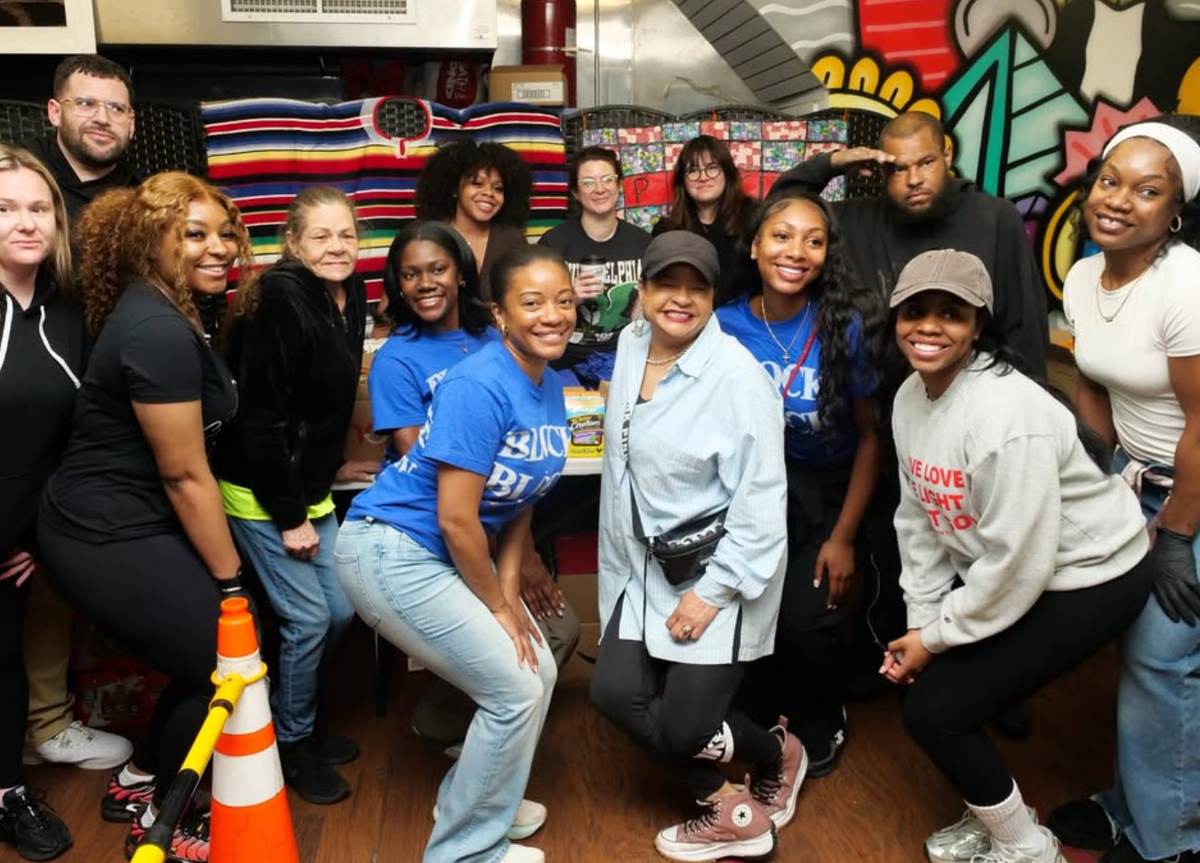
If you want to take a step to learn more about the situation in Kensington, there are amazing groups out there already learning and doing the work. Last week The Platia hosted a block party with Block2Block, an organization created to bring pleasurable parties to areas that don't often get fun, and Prevention Point and Sunshine house, two Kensington groups that do the hard work in the streets every single day.
Prevention Point has several volunteer opportunities, like kit-making parties that provide care items to people living on the streets, and Wxman's Nights events. At these events you can meet people who have been impacted by addiction and get to know the human stories. This helps to eliminate fear and personalize the problems within our city. You can also donate (money, food or goods) and intern with them.
And I really do recommend not watching videos that sensationalize or trivialize these problems. This is our community and we're letting people use our most vulnerable to rack up views to monetize.