Produce in Philadelphia costs more than it has in years
It's getting harder to find groceries across Philadelphia. And when you find them, they are increasing in price. I asked a scientist for thoughts.

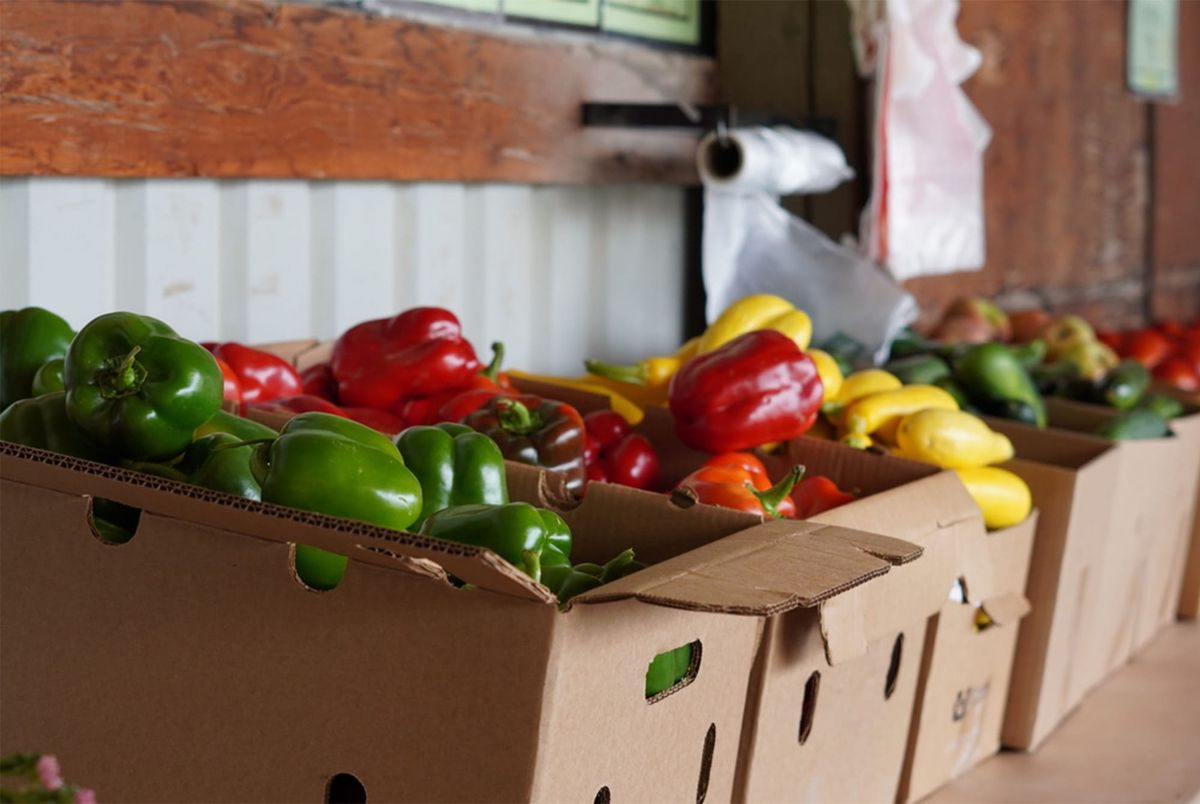
It's getting harder to find groceries across Philadelphia. And when you find them, the basics are indeed increasing in price - it's not your imagination. At least 10 grocers have closed since 2021, with more supermarket chains downsizing in 2026.
A Food Trust study on the severity of food deserts found that Philadelphia had 180 grocery stores for 1.5 million people. That’s about 70 short compared to similar-sized cities. And that’s the second-lowest number of supermarkets per capita of any major U.S. city.
The losses are particularly bad in neighborhoods like Strawberry Mansion, which Food Trust singled out as an area with high diet-related mortality rates. Other areas are dependent on the whims big chains, like a pocket of Spring Garden that was built around an Amazon super-grocer, and is now without a market when the shop closed suddenly. It's a warning for future developments, like the coming Trader Joe’s space on Columbus Boulevard (an area that means a lot to a lot of different groups).
In South Philly, we're experiencing a decline in the variety of grocery options. Southwest Philly lost both major chains and small grocers, from 12 local stores in 1984, down to 5 by 2004.
A lack of competition means the few stories in an area that sell produce can charge what they want, and now Philadelphia has some of the highest grocery prices in the US.
According to the US Bureau of Labor Statistics, the food index – the part of the Consumer Price Index the government uses to track prices over time – shows a 2.7% increase in the cost of the category called “food-at-home” due to higher prices in fruits and vegetables. The latest price hike for produce (a rise of +5.3%) is the highest increase in the past few years. Produce hasn't been this expensive at any point in the 79 years the FRED index has existed.
And it’s just going to get worse.
Philadelphia-area (BLS) food-at-home index, 2-month percent change at each published release. Data gaps exist where the sub-index was not reported for this window (most of 2023, most of 2025). Source: U.S. Bureau of Labor Statistics, Consumer Price Index, Philadelphia-Camden-Wilmington.
What Can You Do?
I spoke to Doctor Lauren Chenarides, Associate Professor of Agricultural and Resource Economics at Colorado State University's College of Agricultural Sciences about what the options are for keeping costs manageable while also shopping responsibly.
Dr. Chenarides and I both come from Mediterranean backgrounds (see where The Platia name comes from), so when I asked about growing my own food, she wasn't surprised, but let me down easy.
"Growing food could be a cathartic and grounding tool to help offset the frustration of the rising food prices," Dr. Chenarides says, "but may not be any less expensive." Between the time involved, getting crops and all the care items and tools needed, growing food is not going to be an option for most people.
Where it can be option is if you can borrow tools, use programs to share seeds or crops and use city programs for soil and compost. "Check Facebook Marketplace and different free community groups... there might be a way to offset the costs of growing something," she says. The Philly Agricultural Resource Center would be a good place to check, and the Free Library offers seed libraries. "Herbs are economical. Try growing them at home rather than buying them in the store."
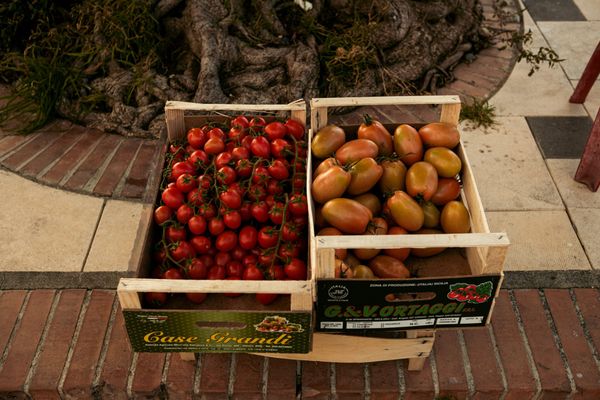
Because the price of produce is so sensitive to climate, tariffs and trade, transportation fuel changes and changes in farm labor (for example, ICE arresting our farm workers), Dr. Chenarides mentions checking the unit price and getting savvy about recipes to understand the actual cost of your meals. Not every vegetable may be more expensive, based on where it's grown. If tomatoes are up this month, for example, can you make that recipe with fewer tomatoes, or potatoes instead? Frozen vegetables may be cheaper, too.
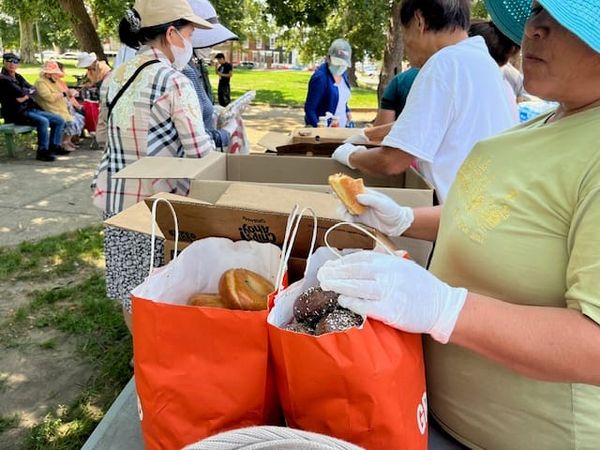
Most importantly, Dr. Chenarides shares my passion for food rescue. Grocers and wholesale markets throw out pounds of food every day because it's past sell-by date, but is still edible. Every single day, multiple Philadelphia area mutual aid and food rescue groups go to the wholesale market in South Philly to pick up huge boxes of squash, tomatoes, green beans, corn, and many other vegetables that can't be sold anymore.
Though there's a stigma about receiving free food, it's something everyone should take advantage of, to keep good produce from ending up in the garbage.
Philly food rescues, like Food Not Bombs, The Everywhere Project or other groups on this list, will not ask for ID or quantify your need. "There's a mentality of, I need to do something to get something," Dr. Chenarides says. That's the stigma we need to get around. Food belongs to everyone, and checking reclaimed produce drop-offs before going to the store is an option for every single person.