What does using SNAP look like
And how you can help reduce stigma for 1.7 million neighbors

Over one million people in Pennsylvania participate in the Supplemental Nutrition Assistance Program, known as SNAP. But even though that's about 15% of our neighbors, there’s still so much confusion around what SNAP entails. With Thanksgiving around the corner and everyone shopping for food, it’s a good time to understand what our neighbors on SNAP will be eating and how stereotypes about food benefits can create real harm. Scroll to the bottom to understand how you can help.
In July of 2025, 1.93 million Pennsylvania residents received SNAP benefits that enabled them to buy foods like meat, milk, cheese, breads and pantry staples. Later that year the federal government rolled out changes to eligibility, including proving hours worked, and expanding work requirements to older recipients. Again in February, eligibility was cut further, requiring people receiving SNAP to show costs of living, like real estate or utility bills.
Even while Governor Shapiro moved forward an $11 million funding increase for programs to help food banks and residents affected by those federal SNAP changes, the damage has been done.
By July of 2026, the number of SNAP benefit recipients in Pennsylvania decreased to 1.7 million people - an 11.9% decrease. And the average benefit was $181 a month. Meanwhile, grocery costs are higher than they’ve ever been, with the average basket costing $421 a month per person.
What does a SNAP grocery basket look like?
The guidelines of SNAP allow recipients to buy fresh produce and grocery staples. That includes breads, canned vegetables, rice, pastas and other grains, meats and poultry, milk, cheese and dairy items, cooking oils and spices, baking supplies, and fresh fruits and vegetables. That includes local Food Trust farmer’s markets.
SNAP benefits cannot be used on hygiene items, cleaning supplies, food for pets, beer and alcohol, charcoal, napkins and non-edible wrappings or vitamins and electrolyte supplements.
This also includes foods that are hot at the point of sale, like deli items or prepared coffee or tea. This creates a problem for people without a working kitchen, or even after a long day of work. One person I interviewed mentioned rotisserie chicken as an item they wish was covered; easy to cook for a family.
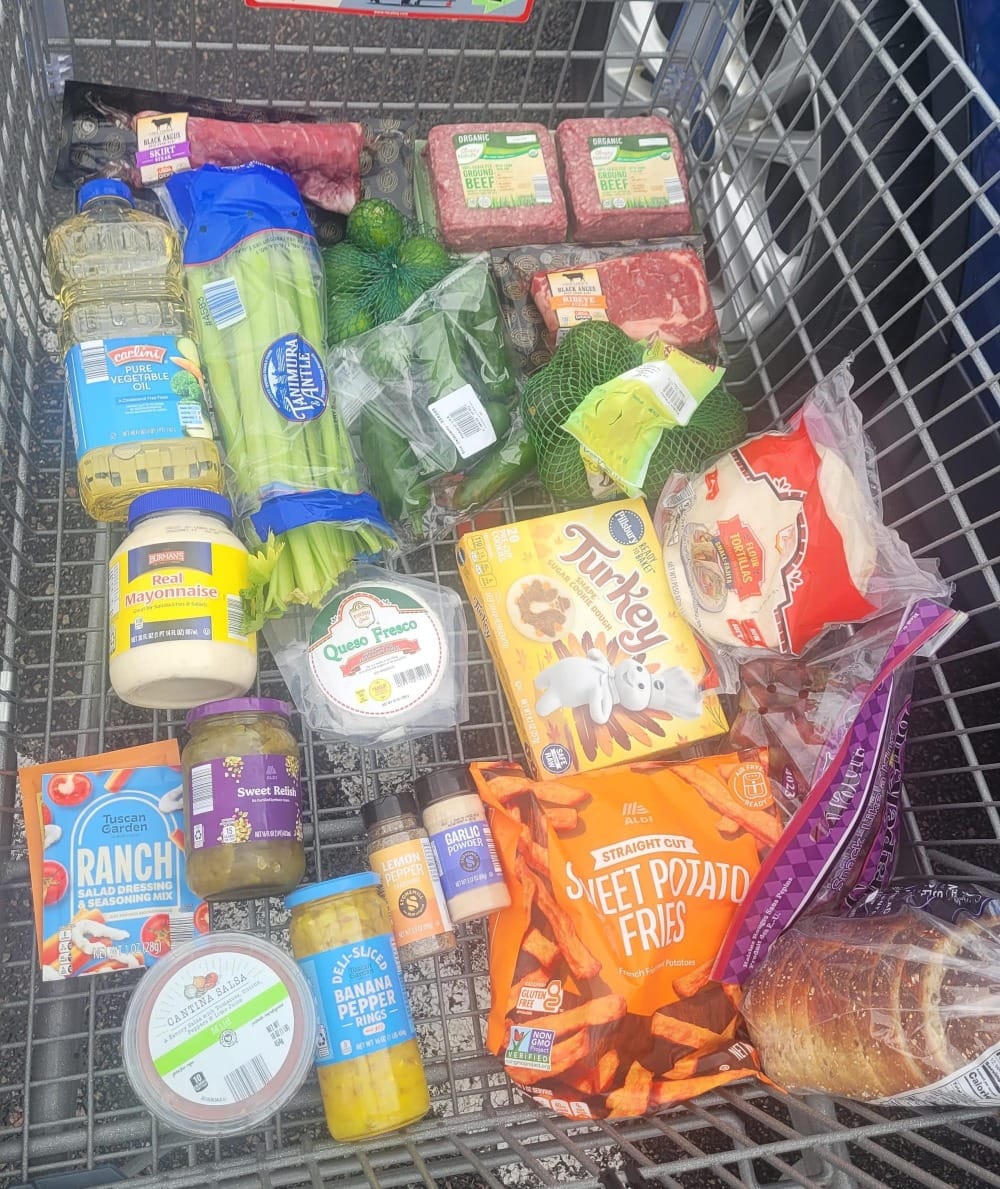
What do people using SNAP benefits buy? I asked a few local people that receive SNAP to share their shopping carts with me. For their safety and privacy, I spoke with each of them and verified independently that these are their shopping carts.
Here’s a normal week of shopping for each of them.
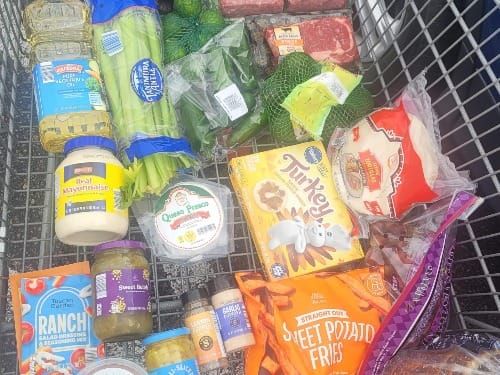
Neighbor One shopped at Costco, Sprouts and Trader Joe’s. They purchased salad mix, micro-green mix, salad dressings, stir fry vegetables, cucumbers, limes, celery, ground beef and ground turkey, turkey tails, wings, fresh chicken, skirt steak, ribeye steak. They also purchased tortillas, spices, vegetable oil, peppers, sliced bread, sweet potato fries, salsa. On other shopping days, they bought 48 eggs, fresh muffins, frozen meals (pizza, lasagna, french fries), deli meat, iced coffees, beef snack sticks.
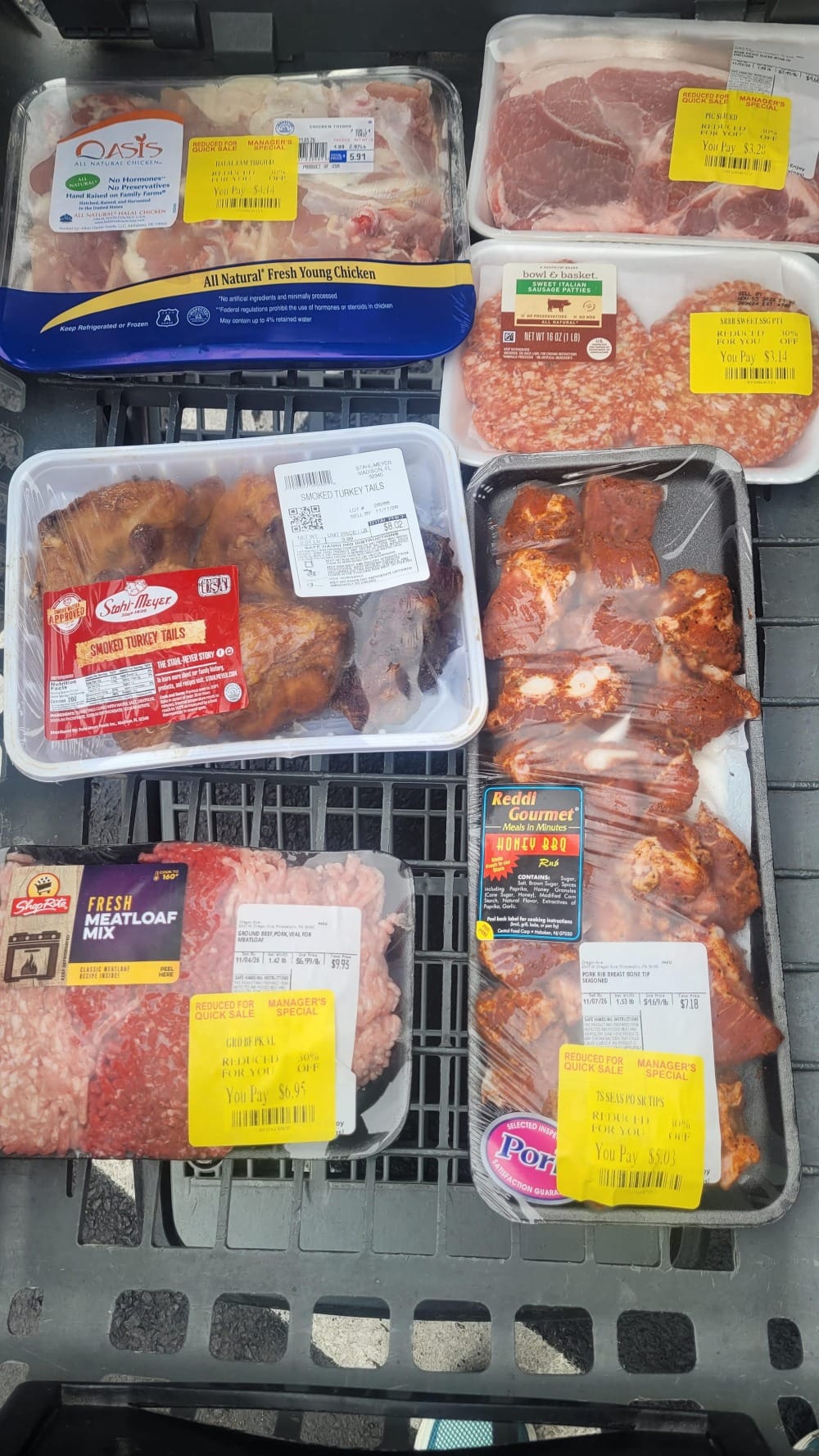
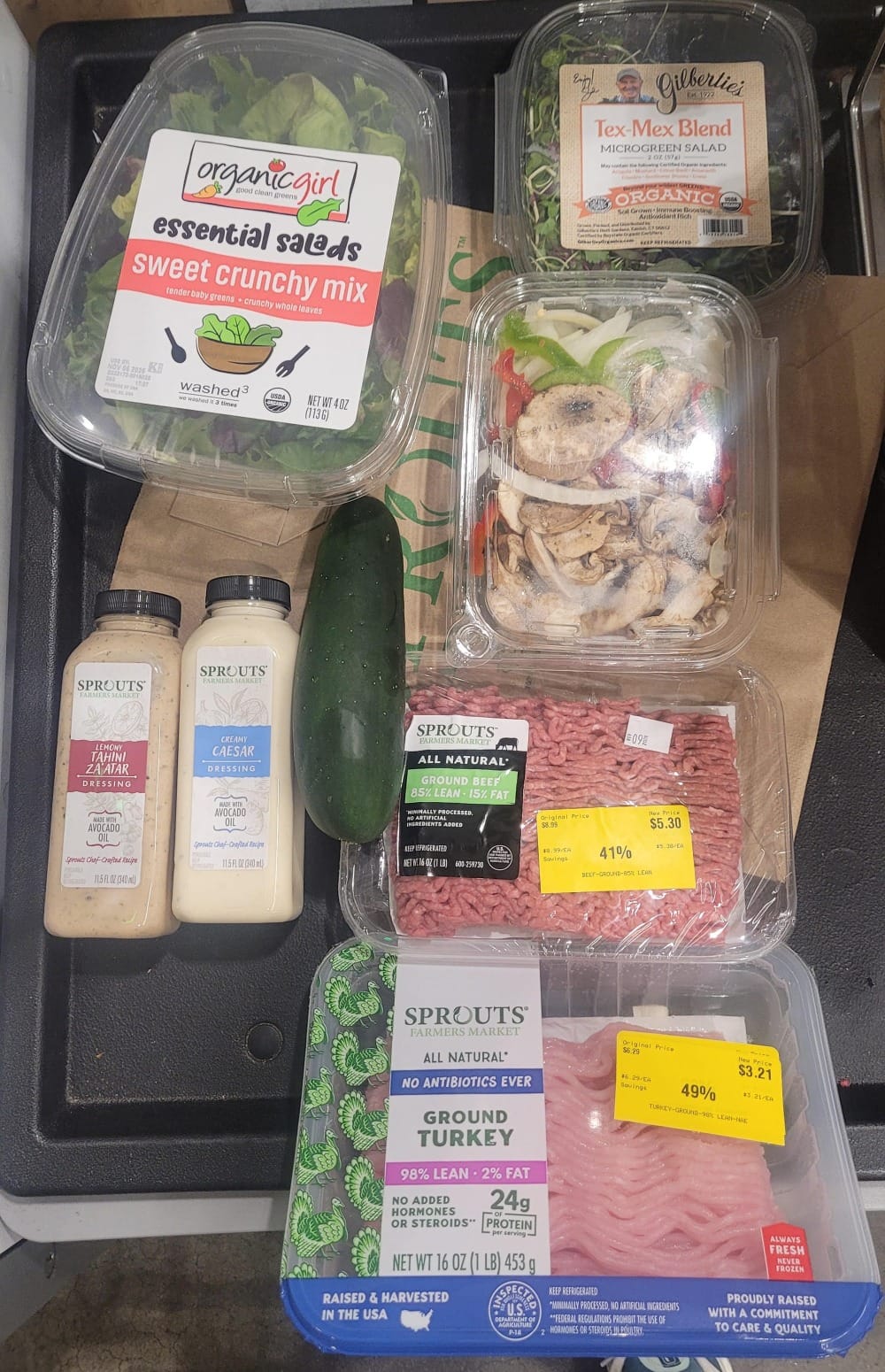
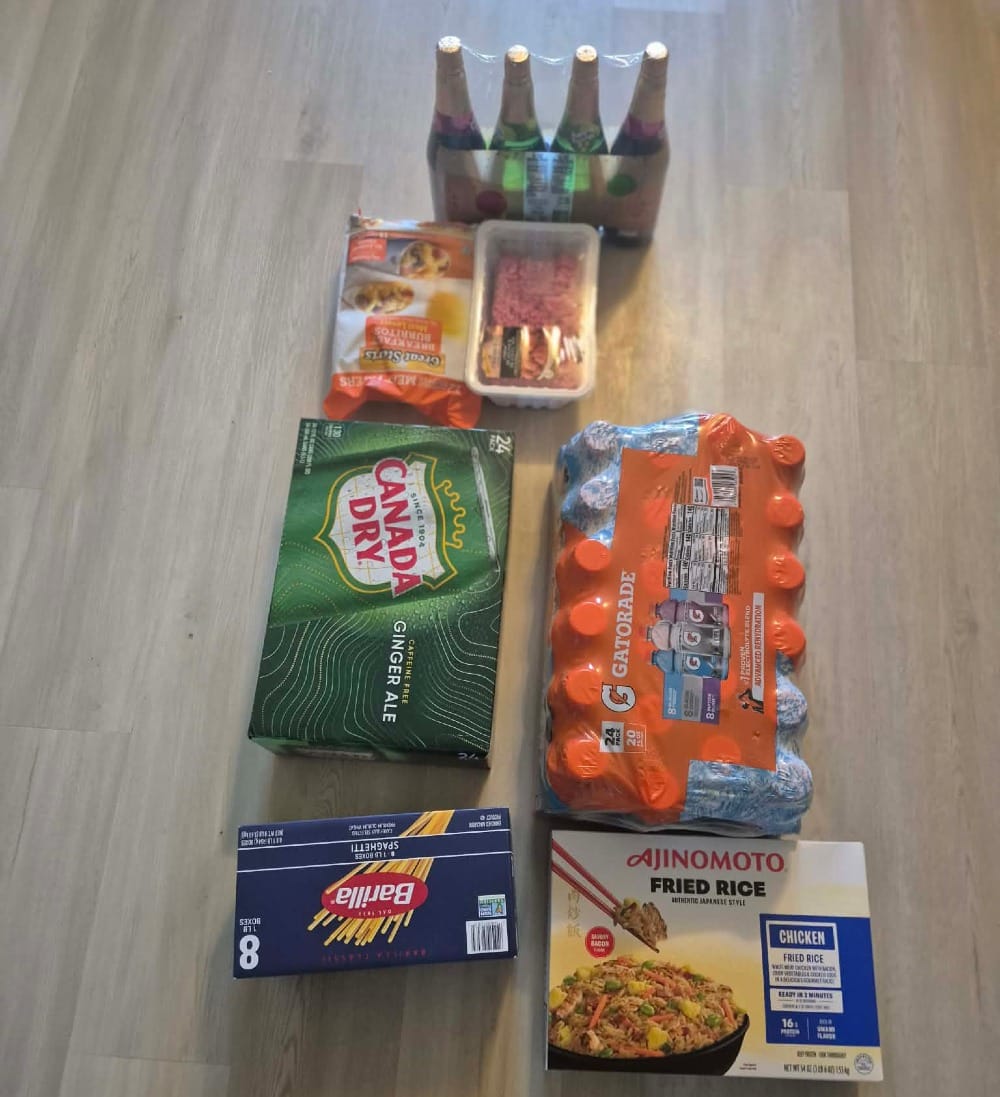
Neighbor Two purchased sparkling cider, ginger ale, Gatorade, breakfast burritos, ground beef, spaghetti, chicken fried rice.
What can you do
Understanding what SNAP does is just one part of the equation, but a big one. A stigma around receiving benefits can prevent people who are hungry from feeding themselves and their families. Speak about SNAP like it’s just another way people can eat, not just to stay alive, but to have a good life.
Follow your local Philadelphia representatives and make sure to comment on all measures that decrease funding to emergency food programs.
When you donate to a food pantry, consider the items SNAP recipients can’t use benefits on.
Donate your time to serving hot food or coffee with a mutual aid group; I serve hot coffee every week in South Philly and would love to see you there.
This article is a part of Every Voice, Every Vote, a collaborative project managed by The Lenfest Institute for Journalism. The William Penn Foundation provides lead support for Every Voice, Every Vote in 2026 and 2027, with additional funding from The Lenfest Institute for Journalism, The John S. and James L. Knight Foundation, Judy and Peter Leone, Wyncote Foundation, and Philadelphia Health Partnership. To learn more about the project and view a full list of supporters, visit www.everyvoice-everyvote.org. Editorial content is created independently of the project’s donors.